
Our Programme
At Smedley, training happens on 5,660 hectares of real working farmland where cadets learn by doing every day. The programme combines practical farm experience with formal agricultural education, helping cadets develop the skills, confidence, and work ethic needed for a future in modern farming.
Training is structured around the farming calendar, with cadets involved in real seasonal farm work throughout the year.
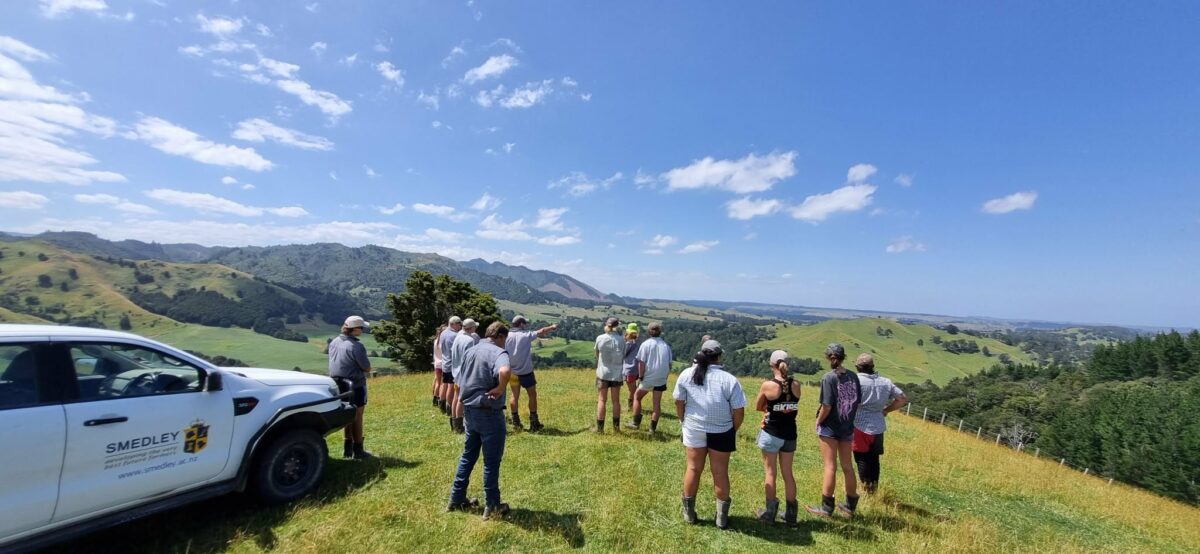
See the training in action
From stock work and fencing to working dogs, horses, machinery, and agritech systems — cadets are involved in every part of station life.
Your training journey
Training at Smedley is designed to progressively build confidence, responsibility, and practical farming capability over two years on a real working station.
Year One - Building Foundations
First-year cadets focus on developing core farming knowledge, practical skills, and confidence while learning the routines and responsibilities of station life.
Training may include:
- Stock handling and animal health
- Sheep, cattle, and deer farming
- Working dogs and horses
- Mustering and yard work
- Fencing and maintenance
- ATV and vehicle operation
- Workshop and practical repair skills
- Health and safety practices
- Teamwork and communication
First-year cadets also complete NZQA-recognised agricultural training through Eastern Institute of Technology (EIT), Hawkes Bay Campus while learning alongside experienced staff and second-year cadets.
Year Two - Growing Responsibility
Second-year cadets take on increased responsibility across the station while continuing to develop advanced practical and leadership skills.
Training may include:
- Leading and mentoring first-year cadets
- Farm planning and organisation
- Livestock management systems
- Farm technology and data recording
- Sustainability and land management
- Budgeting and financial literacy
- Advanced machinery and operational tasks
- Greater responsibility for dogs, horses, and daily farm operations
As confidence grows, cadets are encouraged to think independently, solve problems, and contribute as part of the wider station team.

Qualifications & training
Alongside practical farm experience, cadets complete NZQA-recognised agricultural training designed to support long-term careers in the farming industry.
Training is delivered through Eastern Institute of Technology (EIT), Hawkes Bay Campus, with learning integrated into day-to-day station life and supported by Smedley’s training team.
Cadets work towards nationally recognised qualifications including:
- Certificate in Primary Industry Operational Skills (Level 3)
- Certificate in Agriculture (Farming Systems) (Level 3)
- Certificate in Land Based Sustainability Practices (Level 3)
- Certificate in Agriculture – Breeding Livestock (Level 4)
Cadets who successfully complete the full two-year programme also receive:
- Smedley’s own practical cadetship certificate
Throughout the year, cadets also learn from:
- specialist tutors
- industry leaders
- rural professionals
- guest speakers and workshops
This combination of practical experience and formal training helps prepare cadets for future opportunities across the agricultural industry.
Learning from experience
One of the unique aspects of Smedley is the close mentoring and hands-on learning environment.
With only 13 cadets accepted each year, training takes place in small groups where cadets work closely alongside experienced staff every day.
First-year cadets are supported by second-year cadets as they build confidence, develop practical skills, and adjust to station life.
As cadets grow in capability and experience, they are encouraged to take greater responsibility, think independently, and contribute as part of the wider station team.
Smedley places strong emphasis on:
- teamwork
- responsibility
- work ethic
- communication
- leadership
These qualities help prepare cadets not only for farming careers, but for life beyond Smedley as well.
What a week at Smedley might look like
Every week at Smedley is different. Training follows the farming calendar, meaning cadets gain experience in real seasonal farming operations as they happen. Alongside practical work, cadets also complete formal study, take part in station life, and develop skills both on and off the farm.
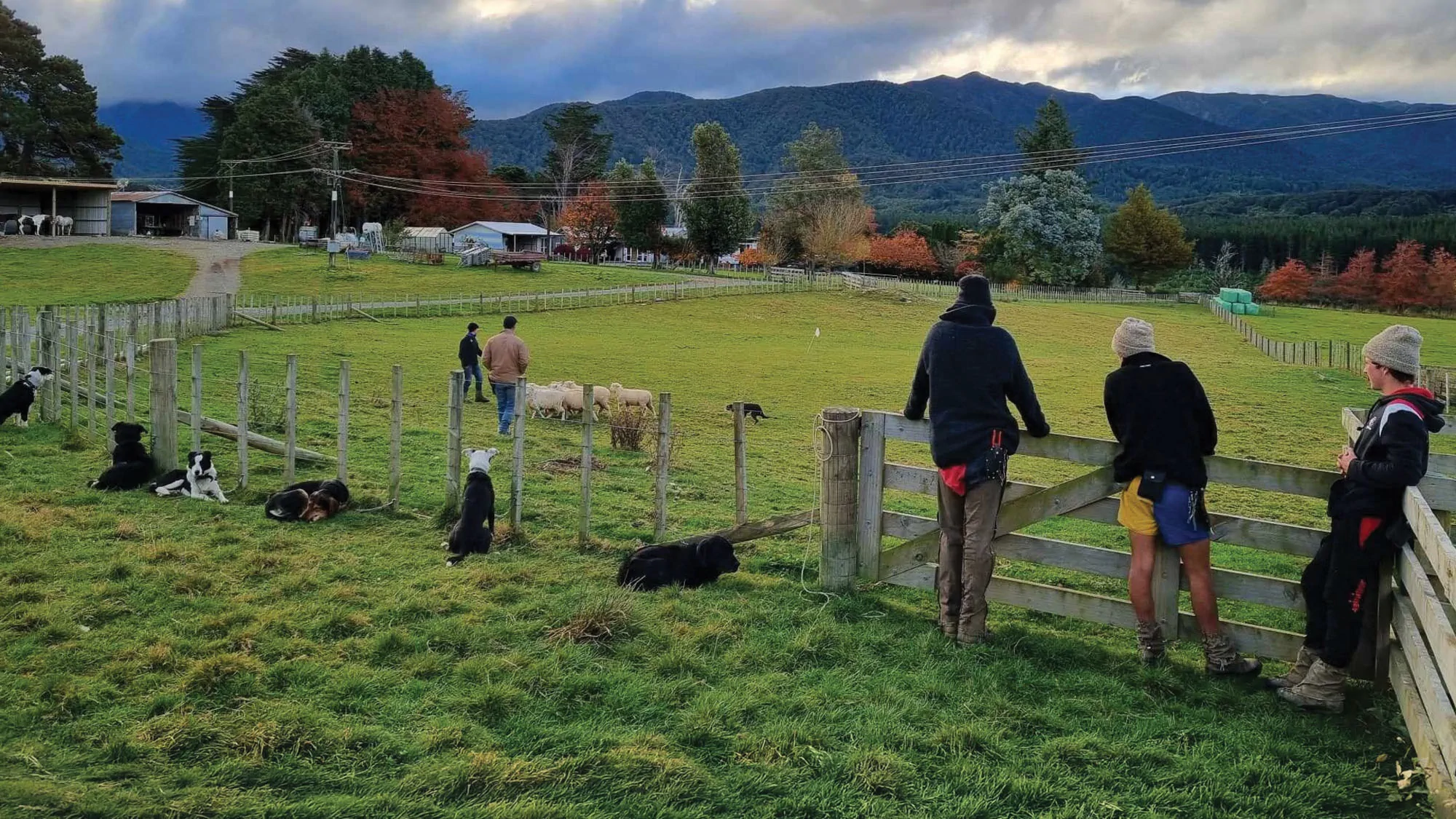
Traditional skills. Modern farming.
Smedley combines traditional farming skills with modern agricultural practices and technologies.
Cadets gain practical experience while also developing an understanding of sustainability, agritech systems, livestock data, budgeting, and the future of modern farming.
The goal is to develop adaptable young farmers who are ready for the realities of today’s agricultural industry.
Beyond the farm
Smedley is located beside the Ruahine Forest Park, with opportunities for:
- Hunting
- Fishing
- Tramping
- Recreational activities
Cadets are also taught:
- Four-wheel driving
- Firearms and gun safety
- Health and safety practices
Living and training at Smedley helps cadets build confidence, independence, resilience, and practical life skills alongside their farming experience.
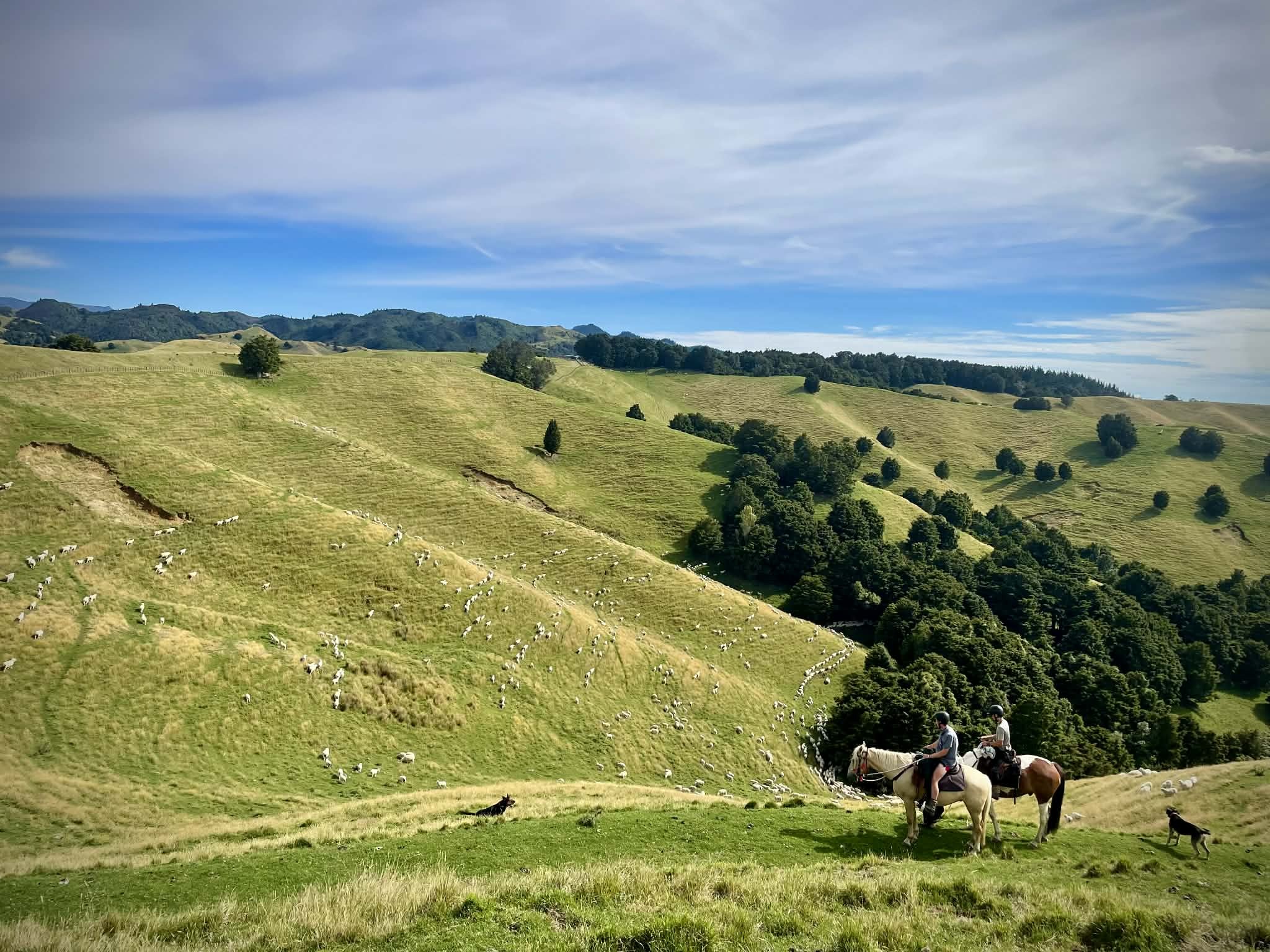
What industry says about Smedley
“From the start of October right through to December I would receive at least one call a week from farmers across the country trying to source Smedley cadets to work on their farms.”

Where training leads
Smedley graduates are highly regarded throughout the farming industry for their:
- Practical skills
- Work ethic
- Confidence
- Adaptability
- Real-world experience
Many graduates go directly into farming roles, while others continue into higher education, agribusiness, and agricultural leadership pathways.
Ready to learn by doing?
Start your journey at Smedley and build practical skills for a future in farming.
Frequently asked questions
Do I need farming experience?
No — you don’t need prior farming experience to apply.
Smedley is designed to teach you from the ground up, combining:
- Hands-on farm work
- Practical skill development
- Classroom-based theory
What matters most is your attitude, willingness to learn, and interest in farming.
What will I learn at Smedley?
You’ll gain a wide range of practical and theoretical farming skills, including:
- Sheep, cattle, and deer farming
- Stock handling, breeding, and animal health
- Fencing and farm maintenance
- Working with dogs and horses
- Vehicle and machinery operation
- Health and safety practices
You’ll also complete formal study through Eastern Institute of Technology (EIT), Hawkes Bay Campus, earning:
- Certificate in Primary Industry Operational Skills (Level 3)
- Certificate in Agriculture (Farming Systems) (Level 3)
- Certificate in Land Based Sustainability Practices (Level 3)
- Certificate in Agriculture – Breeding Livestock (Level 4)
- A Smedley practical certificate
What careers can this lead to?
Smedley graduates are highly regarded in the farming industry.
Career pathways include:
- Farm work and stock management
- Shepherding roles
- Farm management progression
- Agribusiness and rural services
- Further study (with bursary support available)
Graduates are known for their:
- Strong work ethic
- Practical skills
- Confidence and independence
How much does it cost?
Smedley Station is a charitable trust, managed by Public Trust. It operates as a working commercial farm, with income supporting the cadet training programme. While there are no course fees to become a Smedley cadet, you will need to invest in your own saddle and working dog. The good news is that we will contribute towards these costs. Hostel accommodation and food is provided free of charge. While you’re training, you’ll receive a weekly allowance and an annual clothing allowance. You may be eligible for a Student Allowance, depending on government criteria.
What makes Smedley different from other agricultural programmes?
Smedley combines:
- practical farm work
- formal agricultural education
- on-site living
- mentoring
- real responsibility on a commercial farming operation
This creates a unique learning environment where cadets develop practical skills, confidence, independence, and industry experience.